
Lessons from the Belgian CRM
What the next capacity mechanisms in Europe can inherit from Belgium – and what they can leave behind.
October 22, 2026
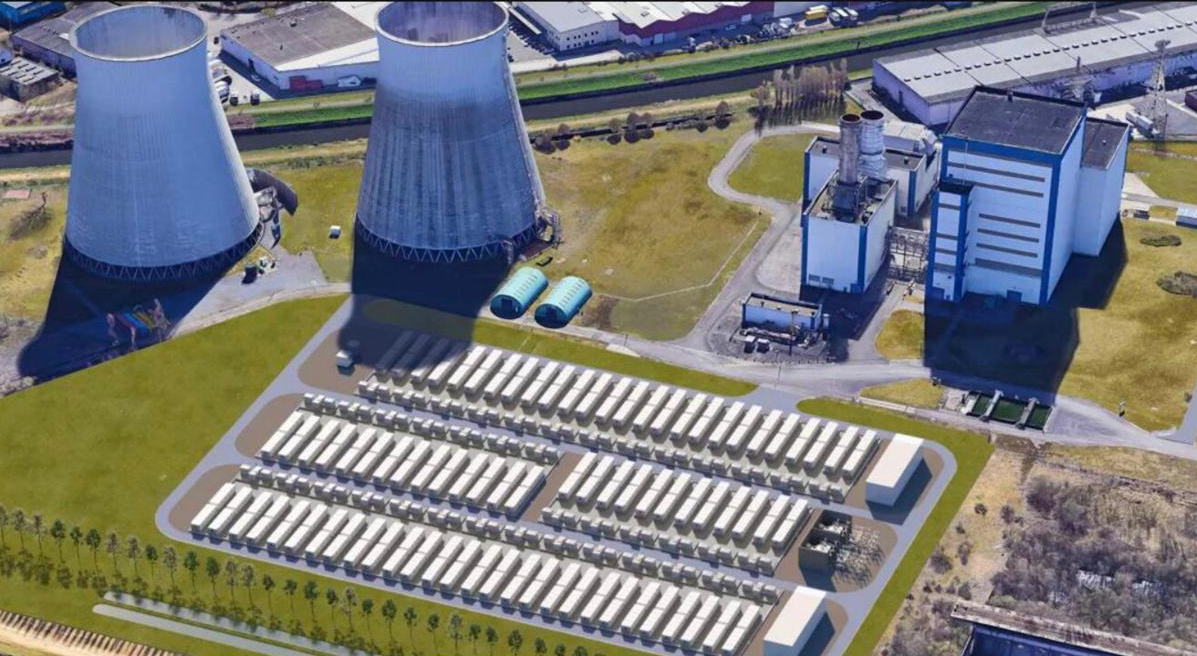
Lessons from the Belgian Capacity Remuneration Mechanism (CRM)
Six European countries operate a capacity mechanism, and the Netherlands, Germany, Spain and Portugal are preparing to follow. Belgium runs the youngest and most compact of them: five auctions since 2022, 10 GW procured and €1.3 billion allocated. On its core task it has delivered – auctions clear below their caps and the contracted portfolio is genuinely mixed. Participation, however, carries a substantial administrative load. This white paper separates what EU law requires from what was a design choice, and shows where a second mover can design lighter from day one.
Trust, but verify
Keep ex-ante review for critical obligations, and let candidates declare low-criticality items – backed by audits and sanctions strong enough to deter false declarations.
Differentiate by what is at stake
An existing asset or a small battery does not carry the risk of a 100 MW new-build plant; financial securities and monitoring should reflect that.
Reuse what the system already knows
Connection, metering and permitting data already sit with DSOs, authorities and the TSO – asking candidates to resubmit it is the largest avoidable source of workload.
One entry point for DSO-connected capacity
Let the candidate deal with the TSO alone, and route the DSO confirmation through a standardized protocol between operators.
Mind the grid connection
A capacity contract does not help an asset that cannot connect in time; link realisation milestones to connection reality.
Download this White Paper
Get the full picture: eight concrete design lessons, the EU-law floor that no simplification can cut into, and what it means for the markets next in line.
Download this White Paper
Get the full picture. Download our whitepaper for expert insights and in-depth analysis on the energy market.