
The electricity system is sweating
The electricity system is sweating. Could more downward flexibility prevent heat strokes in the future?
April 7, 2026
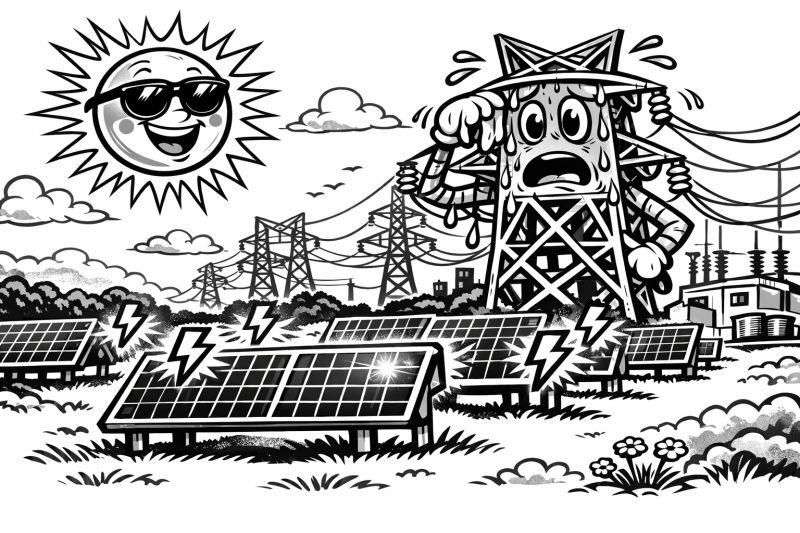
Recent weeks have brought extreme negative prices on wholesale and imbalance markets — a sign that downward flexibility may be running short just when it's needed most.
Over the weekend, steep negative day-ahead prices did not necessarily translate into even deeper negative imbalance prices, as system imbalance remained stable. In other words, a low wholesale price on its own is not the real warning sign.
The real pressure emerges on a specific type of day: one where weather and solar output are underestimated in the day-ahead forecast, and downward flexibility in the balancing market is already scarce because negative wholesale prices have absorbed most of it upfront.
What happened on Easter Monday
When negative wholesale prices have already used up most available downward flexibility, the system has little left in reserve. If a forecast error then creates a surplus, the system has to rely on costly downward activations to absorb it — pushing imbalance prices sharply more negative than the day-ahead price alone would suggest.
Why this matters
This is not simply a story of "too much renewable generation." It is a story of timing and depth: the same volume of downward flexibility can either be available when the system needs it, or already exhausted by the time a forecast error appears. The two recent events — a stable weekend and a sharply negative Easter Monday — show how differently the system can behave depending on which of these scenarios plays out.
As solar and wind capacity continues to grow, days with underestimated renewable output and depleted downward flexibility are likely to become more frequent rather than less.